
Japan
Japan Culture Overview1, 2
- Capital: Tokyo
- Population: approx. 122 million
- Official Language: Japanese (Nihongo),
- Currency: yen (¥)
- Japan also known as Nippon or Nihon
- Japan is known as an industrial nation.
- It is forbidden to speak on your mobile phone inside the shinkansen (train).
- Eating while walking is considered rude.
- If you encounter a raised floor in a building, it indicates that you should remove your footwear there.
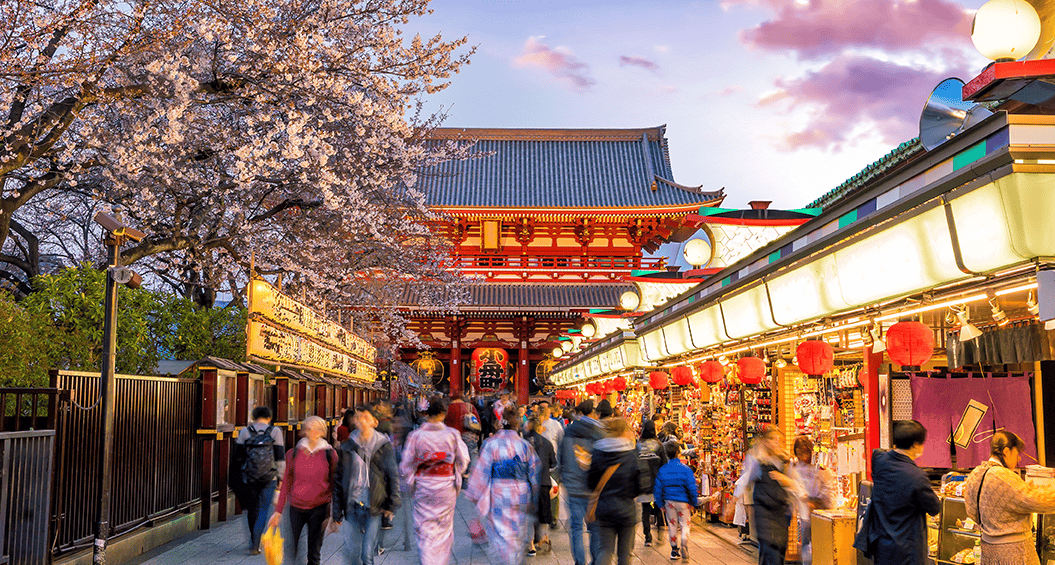
Tips On Moving to Japan
What Do You Need to Enter Japan?3
- Valid Passport
- Visa (required for stays of 90 days or more)
Customs and Declarations3,4
All passengers entering Japan are required to declare their belongings. Passengers carrying cash or other means of payment exceeding ¥1,000,000 (~$6,450) are required to declare, to Customs.
Prohibited items:
- Narcotics
- Firearms
- Explosives
- Obscene materials such as explicit magazines or DVDs
- Counterfeit goods
- Pirated items
- Certain animals, plants, and products made from them
Helpful numbers in case of emergencies in Japan5
There are several important emergency numbers to know in case you ever experience an emergency or need emergency help:
- Police (110)
- Ambulance or Fire (119)
- Non-emergency (177)

Passing Away in Japan6
If the death occurs in a medical facility, they will handle the necessary paperwork and arrangements. If the death occurs outside of a medical facility, you should contact the nearest local city office to report the death as soon as possible. The death certificate is typically issued by the local civil registry office.
The death should also be reported to the relevant embassy or consulate.
The following information is required when reporting a death:
- The deceased's full name, date and place of birth, address
- Required documentation- the deceased’s passport, residence card, death certificate
- The date and place of death
- The cause of death
Repatriating Mortal Remains
The repatriation of a body to the home country requires the help of the relevant local embassy or consulate. Consular officials can assist in organizing repatriation and obtaining appropriate documentation.
When repatriation of the body is requested, funeral homes or crematoriums in Japan will temporarily hold the remains while arrangements are made.
Repatriation covers transportation and essential documentation, which may include:
- A certified Copy of the Notification of Death
- An embalming certificate (if required by the destination country)
- A certificate confirming the coffin complies with International Air Transport Association (IATA) regulations.